Hunting Rangefinders: Angle Compensation Is The Feature That Matters
Line-of-sight distance is the wrong number when you are shooting down a slope or out of a treestand. This is how to buy the unit that gives you the right one.
The three rangefinders most people should look at first
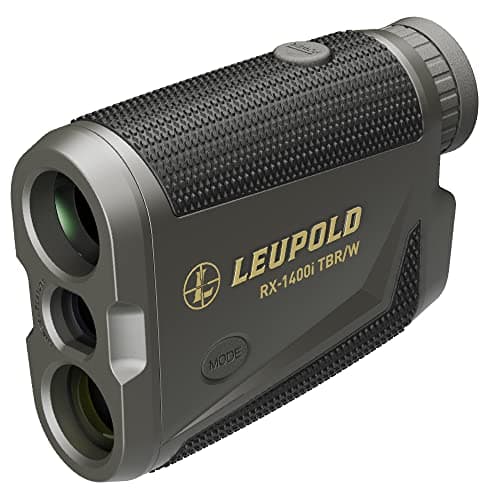
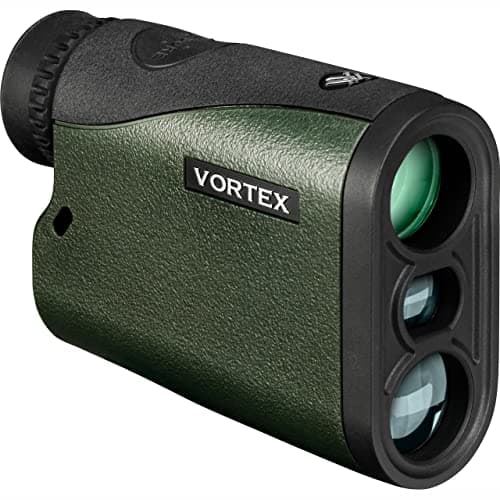
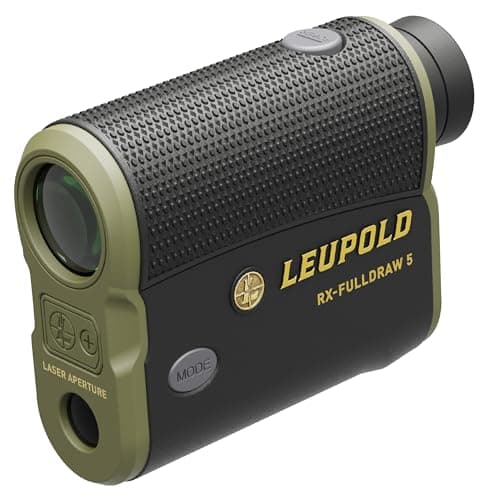
Our top three from "The Best Hunting Rangefinders", with the live price. Every figure comes from the Amazon Creators API and disappears on its own if it goes stale.
We earn a commission if you buy through the links on this page, at no extra cost to you. It never changes which products we pick or how we rank them - read the full disclosure.
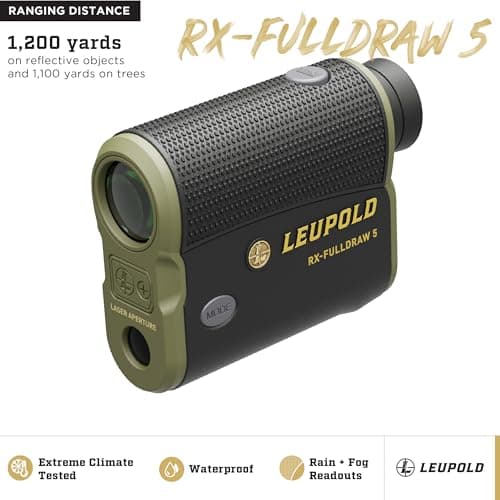
TBR/W gives you the true horizontal distance and a holdover value in the same readout, which is the single most useful feature on a hunting rangefinder.
A rangefinder tells you how far away something is. A hunting rangefinder tells you how far to shoot, which is a different number as soon as the ground is not flat. The gap between those two numbers is the single most useful thing to understand before you spend any money in this category.
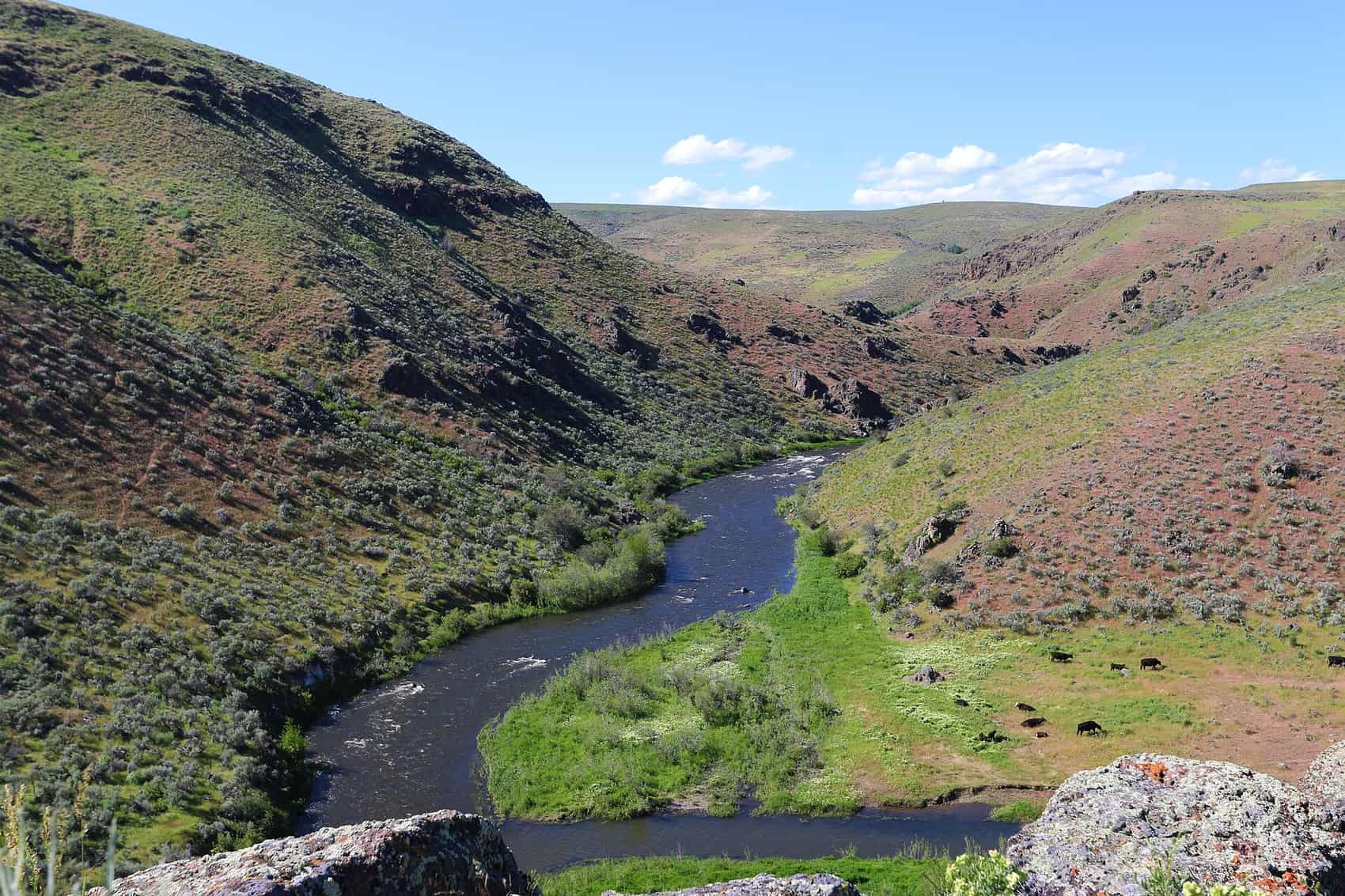
From 20 feet up a treestand, an animal at 30 yards of line-of-sight is closer to 28 yards of horizontal distance - and gravity only acts over the horizontal. A bow sighted for 30 will shoot high. Across a canyon at a 25-degree downward angle, a 500-yard line-of-sight reading is about 453 yards of true ballistic range, which is several inches of difference at the target. Angle compensation is the feature that converts a gadget into a tool.The full explanation, with the trigonometry.
Why the advertised range is not the range you get
Every manufacturer quotes a maximum range against a reflective target - a road sign, a rock face, a steel plate. Deer hide is a poor reflector. A unit advertised at 1,400 yards reflective is typically good for a few hundred yards on a dark animal in flat light, and that is not a defect, it is physics. When we quote a number on these pages we say which kind of target it refers to, because quoting the reflective figure as if it were the hunting figure is the most common dishonesty in this category.
What a stated maximum range usually means in practice
Stated figure
What it was measured against
Realistic use
1,400 yd
Highly reflective surfaces
Comfortable on game inside 400-500 yd in good light
1,800 yd
Reflective
Game out to roughly 600-800 yd in good conditions
3,000 yd and up
Reflective, often with a tripod
Beyond any ethical hunting distance; useful for target work
Rain, snow, haze, heat shimmer and low light all reduce these figures, sometimes by half.
Angle compensation comes in three flavors
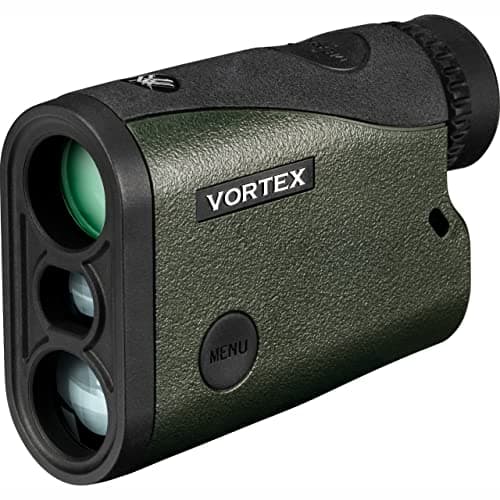
Corrected distance only (Vortex HCD, most budget units): returns the horizontal distance. Simple, fast, and enough for most rifle and bow hunting.
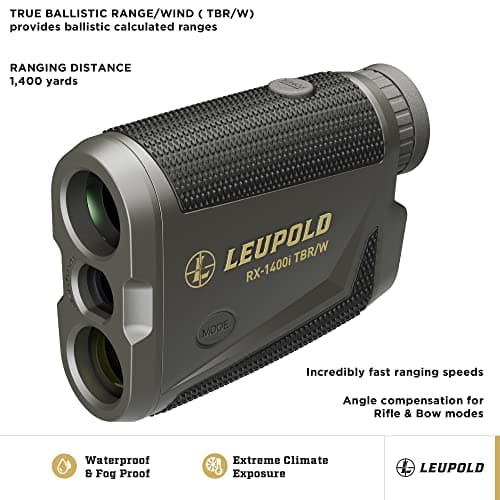
Ballistic holdover (Leupold TBR/W): returns an aiming solution - a holdover in inches, MOA or MIL - based on a selected ballistic group. More useful at distance, more setup. What TBR/W actually does.
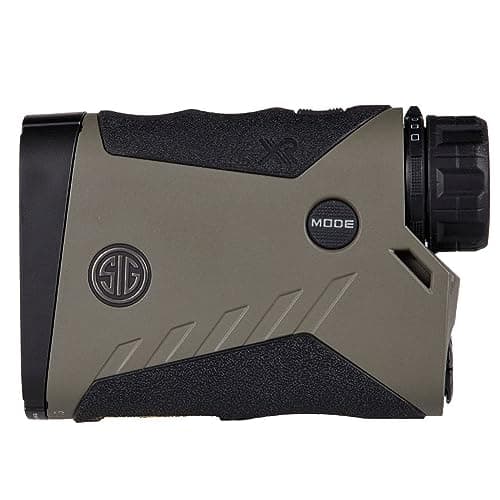
Full ballistic solver (Sig with Applied Ballistics): takes your load, environmentals and sometimes wind, and returns a firing solution. Genuinely powerful and genuinely more than most hunters will ever configure.
What each tier buys
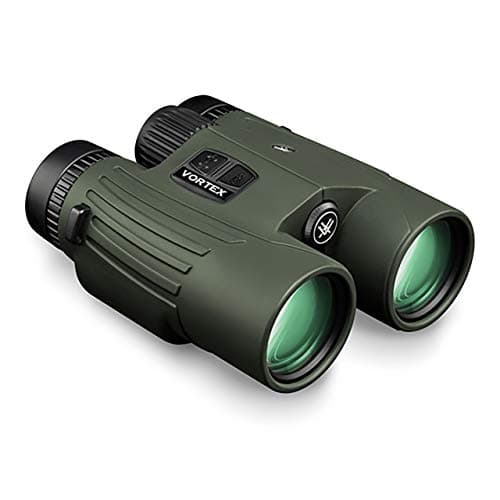
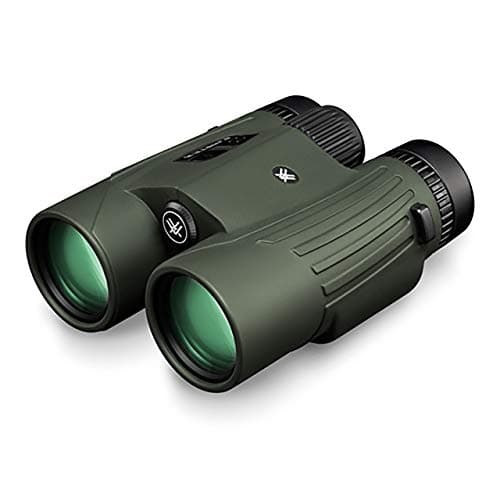
Under $250 buys a reliable unit with angle compensation and a readable display - the RX-1400i and the Crossfire HD 1400 are the two to look at. Under $500 buys archery-specific ballistics or a brighter illuminated display. Above $500 you are buying either glass quality good enough that the unit doubles as a monocular, or an onboard ballistic solver, or both optics in one body as a rangefinding binocular.
Buying on stated maximum range. You will never ethically shoot at the advertised distance. Buy on how fast and reliably it reads at the distances you actually hunt.
Skipping angle compensation to save $40. If you hunt anything other than flat ground, this is the feature. Everything else is convenience.
Ignoring the display. An LCD display disappears against dark timber at exactly the time of day you need it. An illuminated red display is worth real money.
Ranked picks
Roundups and price tiers
Every roundup here shows its top pick's live price, so you never have to open a page to find out whether there is anything to buy.
The angular error is proportionally largest at close range from a high stand. The numbers.
Rangefinders: questions people actually ask
What is angle compensation on a rangefinder?
It converts the line-of-sight distance your laser measures into the horizontal distance that gravity actually acts over. From a treestand or across a slope those two numbers differ, and the horizontal one is what your pins or your turret are calibrated for. Full explanation with the math.
Are hunting rangefinders worth it?
For bowhunting, yes, almost without qualification - the difference between 28 and 32 yards is the difference between a lung and a gut. For rifle hunting inside 200 yards, far less so. We answer this properly here.
Can I use a golf rangefinder for hunting?
It will measure distance, but most golf units optimize for the nearest reflective target (the flag), which is the opposite of what you want when there is brush between you and the animal. Many also lack angle compensation in the form hunters need. The differences in detail.
How accurate are hunting rangefinders?
Most quote plus or minus one yard inside a few hundred yards, degrading with distance, poor reflectivity and bad weather. The bigger error source in practice is which object the laser actually hit - brush between you and the animal gives you the brush's distance. What the accuracy figures mean.
Do I need a rangefinder or rangefinding binoculars?
Rangefinding binoculars remove the one-handed juggle and the second item on your chest, at the cost of weight, money, and a single point of failure. A separate rangefinder is cheaper and lets you keep binoculars you already like. The comparison is here.