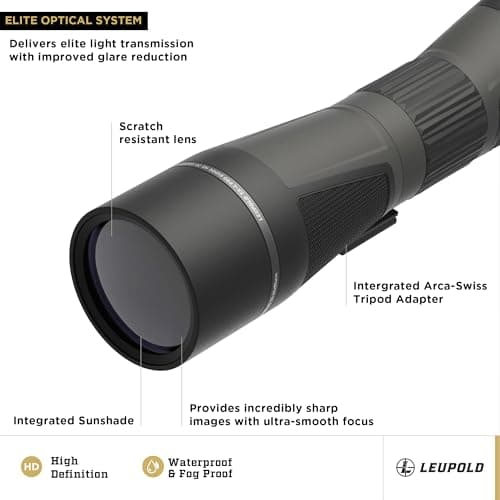
Spotting Scopes For Hunting: When You Need One, And What Size
A spotting scope is for judging an animal you have already found. If you are still looking for it, you want binoculars - and a scope you leave at camp is worth nothing.
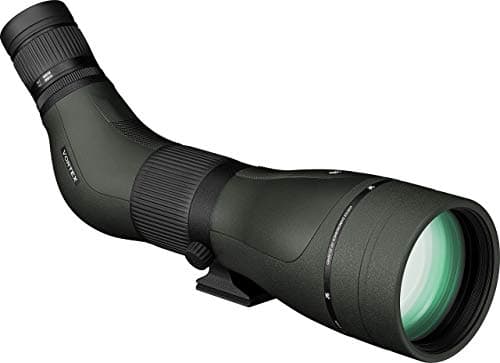
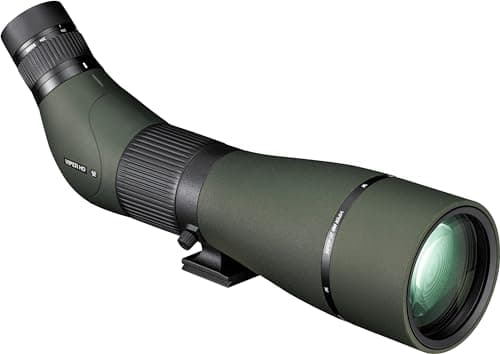
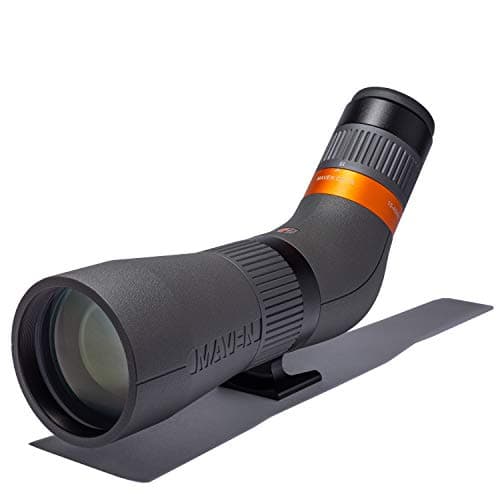
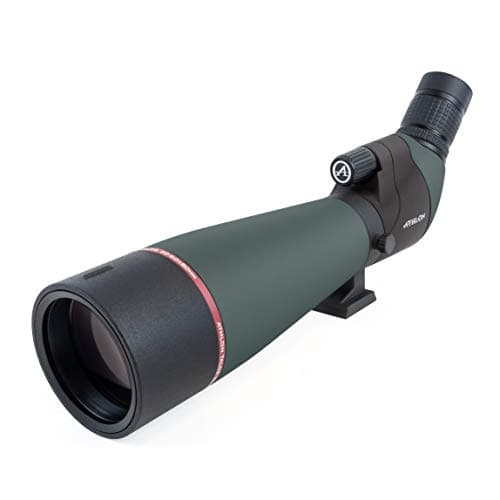
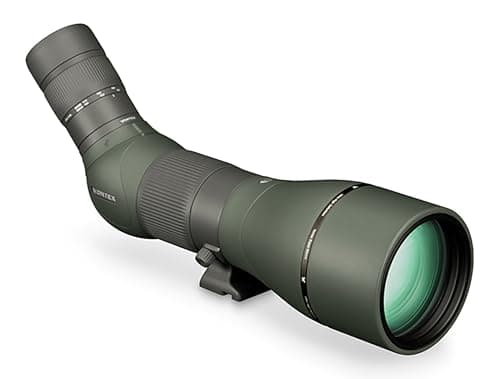
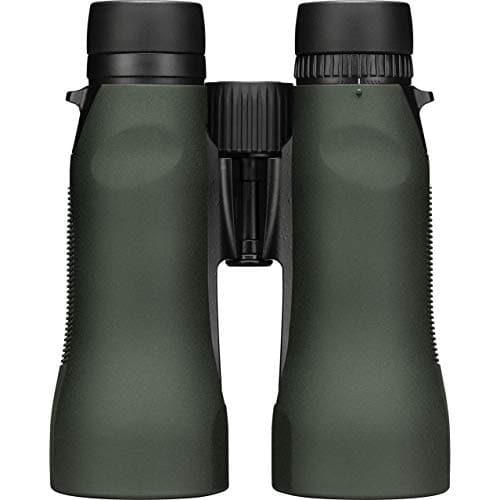
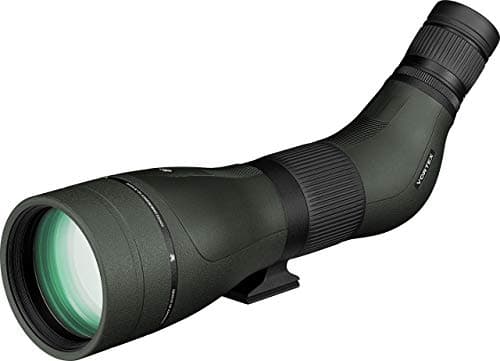
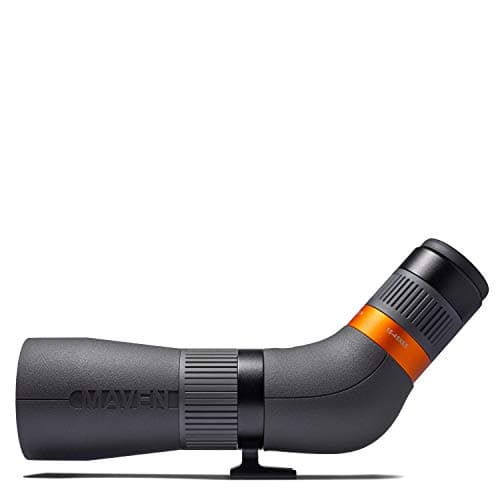
The three spotting scopes most people should look at first
Our top three from "The Best Spotting Scopes For Hunting", with the live price. Every figure comes from the Amazon Creators API and disappears on its own if it goes stale.
We earn a commission if you buy through the links on this page, at no extra cost to you. It never changes which products we pick or how we rank them - read the full disclosure.
The useful way to think about a spotting scope is as a judging tool, not a finding tool. You find animals with binoculars, because a wide field and two eyes cover ground fast. Then you put the scope on the one you care about and decide whether it is worth the stalk. Buying a scope to replace binoculars is the most common and most expensive mistake in this category.
The second most common mistake is buying more objective than you will carry. An 85 mm scope plus a tripod stiff enough to hold it is eight to ten pounds on your back. If that means it stays in the truck, a 65 mm that actually comes with you is the better optic. We compare the sizes properly.
The numbers that matter, and the one that does not
Resolution at the top of the zoom is the real differentiator. Almost every scope here looks fine at 20x. The difference between a $500 scope and a $1,700 one is whether 50x and 60x are usable or just bigger and blurrier. That is the whole argument for spending more, and it is why the specification that sells scopes - maximum magnification - tells you the least.
Exit pupil collapses as you zoom. An 85 mm scope at 20x gives a 4.25 mm exit pupil; the same scope at 60x gives 1.4 mm. That is why the top of the zoom is close to useless at dawn and perfectly good at noon, and why a scope that is bright at 20x can be dim at 60x without anything being wrong with it.
Exit pupil across a 20-60x zoom (computed: objective / magnification)
Objective
At 20x
At 40x
At 60x
65 mm
3.25 mm
1.63 mm
1.08 mm
80 mm
4.00 mm
2.00 mm
1.33 mm
85 mm
4.25 mm
2.13 mm
1.42 mm
Your pupil opens to roughly 5-7 mm in low light, so no spotting scope at any objective is a low-light instrument at the top of its zoom. That is arithmetic, not a brand problem.
Angled or straight, and why it is not just preference
An angled eyepiece is more comfortable seated for long sessions, lets a shorter tripod work, and makes sharing the scope easy. A straight eyepiece is faster to get on a target, better from prone or from a vehicle window, and more intuitive for people who do not use scopes often. Most western hunters end up angled; most people who glass from a truck end up straight. The full comparison is here.
The tripod is not an accessory
A spotting scope is only as good as what holds it still. At 60x, a tripod that lets the image breathe destroys the resolution you paid for - and a cheap aluminum tripod under an 85 mm scope in any wind does exactly that. Budget for it as part of the scope, not after it. Our tripod picks for spotting scopes are here.
A $20 clamp, one genuinely useful job, and honest limits.
Spotting Scopes: questions people actually ask
Do I need a spotting scope for hunting?
If you hunt open country and need to judge antler or horn at over about 600 yards before committing to a stalk, yes. If you hunt timber, or everything you shoot at is inside 300 yards, a good pair of binoculars does the job and weighs five pounds less. We work through it here.
What magnification spotting scope do I need for hunting?
A 20-60x zoom covers essentially all hunting use. You will spend most of your time between 20x and 40x, because that is where the image stays bright and steady; the top of the zoom is for a few seconds of judging a specific animal. The detail is here.
Is 65 mm enough, or do I need 85 mm?
65 mm is enough if you will carry it and 85 mm is better if you will. The honest test is whether the heavier setup will actually come out of the truck on day four of a hard hunt. Compact scope picks are here.
Can I use a spotting scope instead of binoculars?
Not well. A scope has a narrow field, needs a tripod, and uses one eye, all of which make finding animals slower. The two optics do different jobs. The comparison in full.
Can I take photos through a spotting scope?
Yes - it is called digiscoping, and a $20 phone clamp does most of the work. It is genuinely useful for showing someone else an animal you are trying to judge. Our guide to doing it.