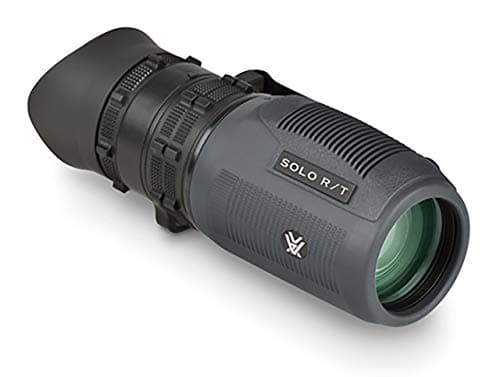
Best hunting monocular
Vortex Solo R/T 8x36
A 4.5 mm exit pupil, 18 mm of eye relief and an MRAD ranging reticle in a unit that weighs a third of a binocular.
$149.00 on Amazon
Price as of October 5, 2026. #ad How we earn

Glass & Ridge / Monoculars
A monocular is half the bulk and half the weight of binoculars, and genuinely worse to look through for long. There are still three situations where it is the right call.
Start here
Our top three from "The Best Hunting Monoculars", with the live price. Every figure comes from the Amazon Creators API and disappears on its own if it goes stale.
We earn a commission if you buy through the links on this page, at no extra cost to you. It never changes which products we pick or how we rank them - read the full disclosure.
Best hunting monocular
A 4.5 mm exit pupil, 18 mm of eye relief and an MRAD ranging reticle in a unit that weighs a third of a binocular.
Price as of October 5, 2026. #ad How we earn
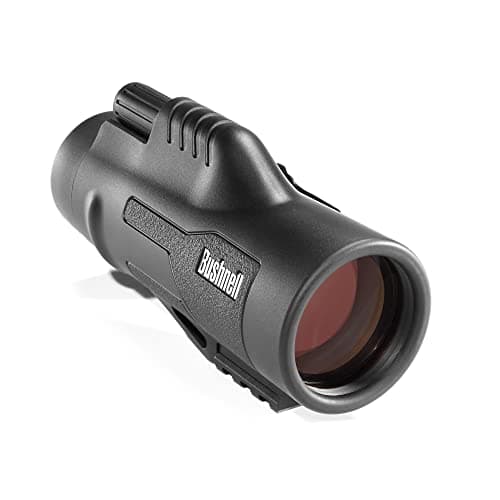
Best for low light
A 42 mm objective gives a 4.2 mm exit pupil, which is the only way a monocular stays usable at legal light.
Price as of October 5, 2026. #ad How we earn
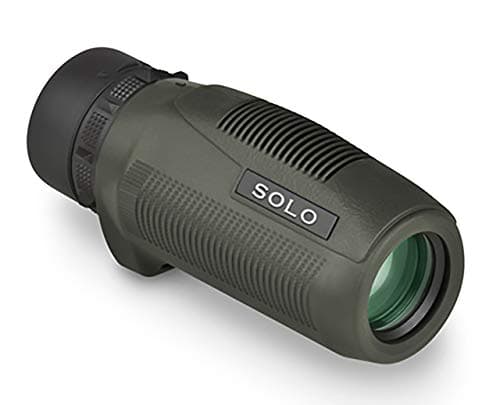
Best pocket option
A 2.5 mm exit pupil says this is a daylight optic, and at $79 and a few ounces that is exactly the job it is for.
Price as of October 5, 2026. #ad How we earn
Monoculars get dismissed, and mostly that is fair: two eyes see better than one, for longer, with less fatigue and with depth perception you lose entirely through a single barrel. If you are buying one optic to glass with, buy binoculars.
But there are three situations where a monocular is genuinely the better choice, and they are specific enough to be useful. First, as a backup or pocket optic that lives in a harness pocket and weighs a few ounces. Second, for short confirming looks - checking whether that is an antler or a branch, forty times a day, where lifting binoculars is more motion than you want. Third, thermal, where the sensor is the whole product and a second channel would simply double the cost.
Exit pupil is objective divided by magnification, and it is where most monoculars give themselves away. A 10x25 gives 2.5 mm, which is fine at noon and dim at dawn. A 10x42 gives 4.2 mm - the same as a 10x42 binocular - but by then the monocular is nearly as bulky as the binocular, which undercuts the reason you wanted one.
| Configuration | Exit pupil | Honest verdict |
|---|---|---|
| 8x25 | 3.13 mm | Daylight only. Genuinely pocketable. |
| 10x25 | 2.50 mm | Daylight only. The classic pocket monocular compromise. |
| 8x36 | 4.50 mm | Usable near legal light. The sweet spot. |
| 10x42 | 4.20 mm | Matches a binocular for light, and almost matches it for bulk. |
A monocular at 25 mm is a daylight tool. Accept that and it is a good one; expect it to work at last light and it will disappoint you.
A thermal monocular is not a dim-light optic, it is a heat-detection device, and it finds animals no glass can see. Resolution is the thing to understand: a 256-pixel sensor tells you something warm is out there, and a 320 or 384 sensor starts telling you what it is. Check your state regulations before hunting with thermal - legality varies by state and by species, and nothing on this site should be read as legal advice. Our thermal picks are here.
If you want the whole range, start with the best hunting monoculars. If you are weighing a monocular against binoculars, we lay the trade out properly. And if you want to know what to check before you buy, this is the pre-purchase list.
Ranked picks
Every roundup here shows its top pick's live price, so you never have to open a page to find out whether there is anything to buy.
Best overall
Three situations where one eye beats two, with the exit pupil arithmetic.
Our pick: Vortex Solo R/T 8x36
Price as of October 5, 2026. #ad How we earn
Best for deer
Deer move at legal light, which eliminates most monoculars on arithmetic alone.
Our pick: Vortex Solo R/T 8x36
Price as of October 5, 2026. #ad How we earn
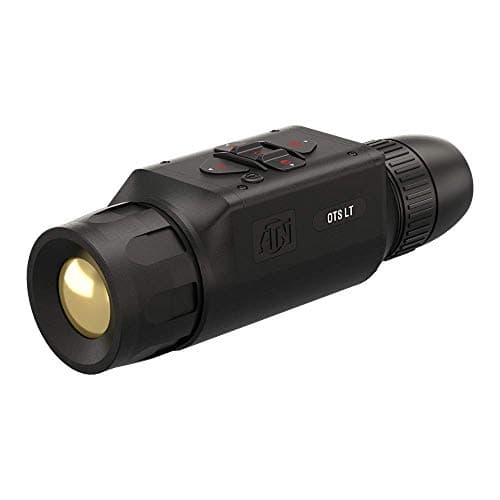
Best thermal
What sensor resolution buys - and the regulations you must check first.
Our pick: ATN OTS LT 320 Thermal Monocular
Price as of October 5, 2026. #ad How we earn
Head to head
The model-versus-model pages, for when you have narrowed it to two and want the deciding difference.
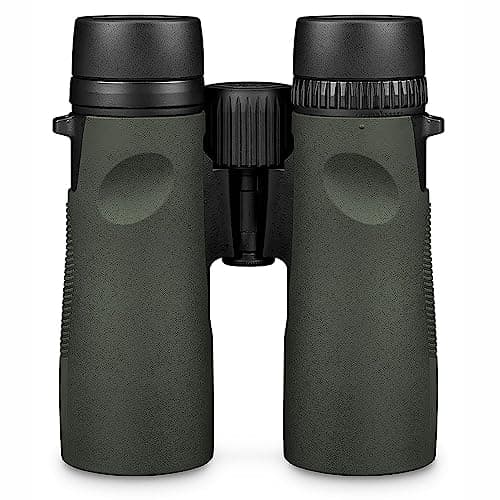
Understand it first
The spec and technique pages. Read these if you want to check our picks against your own judgment rather than taking them on trust.
Guide
Five checks in order. The first one eliminates most of the category.
Written by Mike M.. Last reviewed October 5, 2026. How we review.