The order matters more than the brands. Buying the right things in the wrong order means owning an excellent spotting scope and a binocular on a neck strap, which is a configuration that finds fewer animals than the reverse.
The order
| # | Item | Cost | Why it sits here |
|---|---|---|---|
| 1 | A binocular | $150-250 | You look through it every minute. Nothing competes. |
| 2 | A harness | $29-66 | Decides whether item 1 is on your chest or in your pack. |
| 3 | A rangefinder | $200 | Changes what you can ethically shoot at. FIRST if you bowhunt. |
| 4 | A tripod and adapter | $216 | Unlocks sustainable technique and higher magnification. |
| 5 | More magnification | $369 | Only useful AFTER the tripod exists. |
| 6 | A spotting scope | $499+ | Only when judging past 800 yd is the constraint. |
Why the harness is second and not sixth
Because it is the cheapest item in the list and it determines whether the most expensive item gets used. A binocular on a neck strap swings into your sternum, hangs exposed to rain and brush, and loads its whole weight on your neck - and the predictable result is that it ends up in the pack.
$29 that changes whether $236 is used is the best value in hunting optics. Harness picks.
Why the rangefinder moves to first for archers
Because arrow trajectory is steep and pins are set at discrete distances. The difference between 28 and 32 yards changes where the arrow lands, and from an elevated stand the line-of-sight distance your eye estimates is not the horizontal distance your pins are calibrated for.
For a rifle hunter inside 200 yards, maximum point-blank range covers the uncertainty and the rangefinder is a reassurance purchase. For an archer it is a capability purchase. The reasoning.
Why the tripod comes before better glass
This is the position people most often get wrong, and it is the most consequential. At the point where you have a binocular, a harness and a rangefinder and about $216 spare, the instinct is to upgrade the binocular.
What the tripod does instead: it makes systematic grid glassing - working a hillside in overlapping squares, holding on each for ten to twenty seconds, for forty minutes - physically sustainable. That technique is what finds bedded animals, and handheld it is exhausting enough that nobody completes it. The tripod does not mainly give you a steadier image; it gives you a technique you can actually execute. The technique.
It also unlocks item 5. A 15x56 handheld resolves less than a 10x42 handheld, because shake costs more than magnification gains. Buy the support first and the magnification becomes useful; buy the magnification first and it sits in a cupboard.
Quick picks
Ranked by the criteria published on how we review. Tap any row for the full write-up, or go straight to the current price.
| # | Product | Best for | Score | Price |
|---|---|---|---|---|
| 1 | 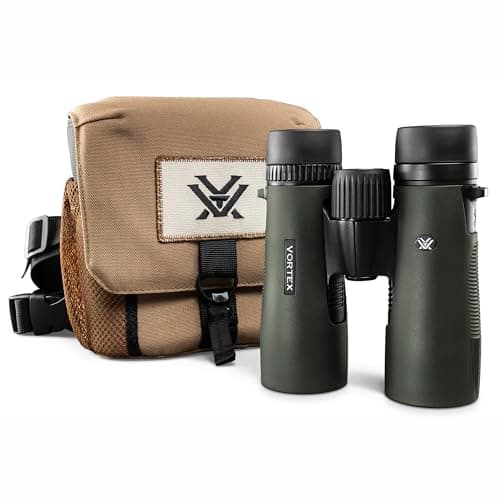 Vortex Diamondback HD 10x42A binocular. 330 ft of field for about $236. | Purchase 1Best value overall | 8.6out of 10 | $236.00 on Amazon $249.00 5% off |
| 2 | 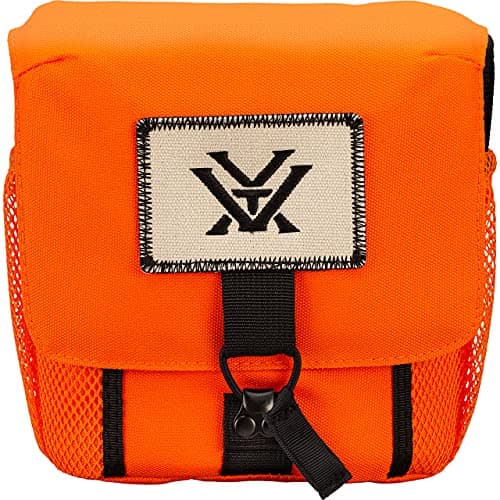 Vortex GlassPak Binocular HarnessA harness, $29. Determines whether purchase 1 is carried. | Purchase 2Cheapest harness worth buying | 8.5out of 10 | |
| 3 | 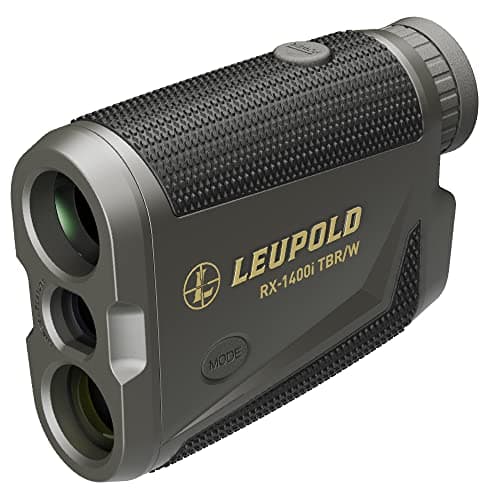 Leupold RX-1400i TBR/W Gen 2A rangefinder, about $200. First if you bowhunt. | Purchase 3Best rangefinder under $250 | 9.0out of 10 | |
| 4 | 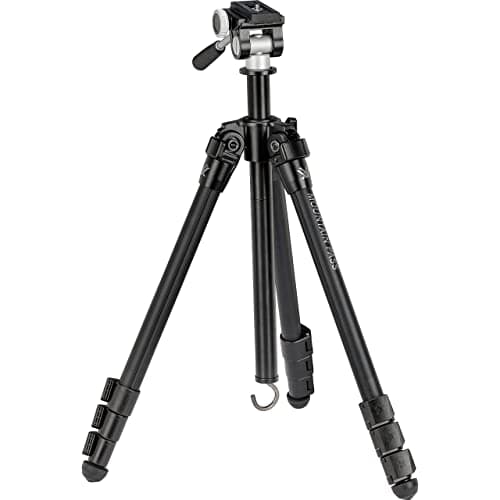 Vortex Mountain Pass Tripod KitA tripod, about $149. The one people skip. | Purchase 4Best tripod under $150 | 8.0out of 10 | |
| 5 | 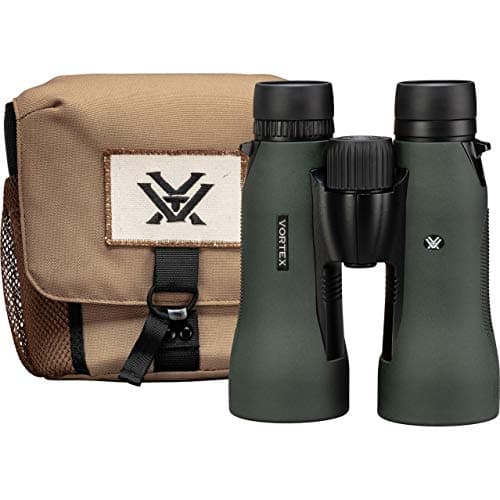 Vortex Diamondback HD 15x56Magnification you can now use, about $369. | Purchase 5Tripod glassing without a spotting scope | 8.1out of 10 | |
| 6 | 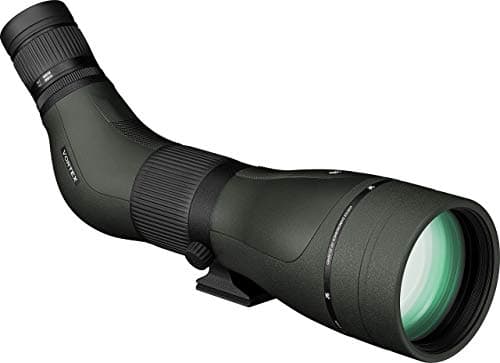 Vortex Diamondback HD 20-60x85A spotting scope, about $499. Last, genuinely. | Purchase 6Best spotting scope value | 0.0out of 10 |
Prices are pulled live from Amazon and were last checked October 5, 2026; if a figure cannot be verified the button reads "Check price" instead. Scores are our editorial judgment against the published ranking criteria, not a test result. #ad How we earn.
Where better glass fits
It is deliberately not in the list, because it is not a position - it is a decision you make at each step with the money you have. The honest rule: upgrade the glass when you can name the specific thing your current binocular fails to do.
- "It goes gray twenty minutes before legal light" - a nameable problem. The $500 tier helps, and a format change to 8x42 helps more.
- "I lose the field edge with glasses on" - nameable. 17 mm of published eye relief fixes it.
- "The edges are soft" - nameable, and the smallest of the three.
- "I want better glass" - not nameable. Buy the next item in the sequence instead.
Three worked sequences
Whitetail from a stand, bow: rangefinder with angle compensation ($200), binocular 8x42 ($239), harness with pouch ($66). Stop. You do not need a tripod in a treestand and you do not need a spotting scope at all. Total about $505.
Mixed-country rifle hunting: binocular 10x42 ($236), harness ($29), rangefinder ($200), tripod and adapter ($216). Total about $681, and nothing obviously missing.
Open western country: binocular 10x42 ($236), harness with pouch ($66), tripod and adapter ($216), rangefinder ($200), then 15x56 ($369). Total about $1,087 - which is the $1,000 kit page's western variant.
The six purchases in detail
Vortex Diamondback HD 10x42
The honest floor for hunting glass: HD optical system, 330 ft of field and 15 mm of eye relief for about half what the Viper costs.
| Magnification | 10x |
|---|---|
| Objective lens | 42 mm |
| Eye relief | 15 mm |
| Field of view | 330 feet/1000 yards |
| Angular field of view | 6.3 degrees |
| Close focus | 6.7 feet |
| Weight | 21.4 oz |
| Height | 5.8 inches |
| Width | 5.1 inches |
| Exit pupil (computed) | 4.2 mm |
| Twilight factor (computed) | 20.5 |
Specs verified 2026-10-05 from Vortex's published specification. Exit pupil and twilight factor are computed, not quoted.
What it does well
- Genuine HD glass at the $250 tier
- 330 ft field of view matches binoculars costing twice as much
- Same unconditional VIP warranty as the Viper
Where it gives ground
- 15 mm eye relief is tight for some glasses wearers
- Edge sharpness falls off before the Viper's does
Skip it if
You wear glasses and have struggled with eye relief before - try the 8x42, which gives 17 mm.
How this score breaks down
- Core function (weight 5)n/a
- Value per dollar (weight 4)9.5
- Low-light performance (weight 3)7.0
- Ergonomics and carry (weight 2)8.0
- Warranty (weight 2)10.0
Weights and definitions are published on how we review. These are editorial judgments from published specs and documented consensus, not test results.
The optic you look through every minute of every hunt. Nothing competes for first place.
Price as of October 5, 2026. #ad How we earn
Vortex GlassPak Binocular Harness
At $29 this is the default: it holds the binoculars against your chest, closes over them in rain, and costs less than a tank of fuel.
Magnification and objective are the manufacturer's own model designation; exit pupil and twilight factor are computed from them. We could not machine-read Vortex's spec page, so the remaining published figures are not listed rather than guessed.
What it does well
- $29 for a harness that genuinely works
- Fully encloses the binoculars against weather
- VIP warranty
Where it gives ground
- No rangefinder pouch
- Fabric is noisier than premium harnesses
Skip it if
You carry a rangefinder too - get the Pro or a Marsupial.
How this score breaks down
- Core function (weight 5)8.5
- Value per dollar (weight 4)n/a
- Low-light performance (weight 3)n/a
- Ergonomics and carry (weight 2)n/a
- Warranty (weight 2)n/a
Weights and definitions are published on how we review. These are editorial judgments from published specs and documented consensus, not test results.
The cheapest item in the sequence and arguably the one with the highest return.
Price as of October 5, 2026. #ad How we earn
Leupold RX-1400i TBR/W Gen 2
TBR/W gives you the true horizontal distance and a holdover value in the same readout, which is the single most useful feature on a hunting rangefinder.
Magnification and objective are the manufacturer's own model designation; exit pupil and twilight factor are computed from them. We could not machine-read Leupold's spec page, so the remaining published figures are not listed rather than guessed.
What it does well
- TBR/W reports true ballistic range, not line of sight
- Fast, legible red OLED display in low light
- Compact enough for a harness pouch
Where it gives ground
- Stated ranges assume reflective targets, not deer hide
- No bluetooth or ballistic app integration
Skip it if
You need ranges past 1,000 yards on game - this is not that unit.
How this score breaks down
- Core function (weight 5)n/a
- Value per dollar (weight 4)n/a
- Low-light performance (weight 3)n/a
- Ergonomics and carry (weight 2)9.0
- Warranty (weight 2)n/a
Weights and definitions are published on how we review. These are editorial judgments from published specs and documented consensus, not test results.
Angle compensation that returns a holdover. For archers this moves to second place, ahead of the harness.
Price as of October 5, 2026. #ad How we earn
Vortex Mountain Pass Tripod Kit
3.1 lbs of aluminum with a ball head included, which makes it the cheapest way to get binoculars genuinely steady.
Magnification and objective are the manufacturer's own model designation; exit pupil and twilight factor are computed from them. We could not machine-read Vortex's spec page, so the remaining published figures are not listed rather than guessed.
What it does well
- Ball head included at $149
- Stable enough for 15x56 binoculars
- VIP warranty
Where it gives ground
- 3.1 lbs of aluminum is heavy for the stability it gives
- Not stiff enough for an 85 mm scope at 60x
Skip it if
You own a spotting scope. Buy carbon.
How this score breaks down
- Core function (weight 5)8.0
- Value per dollar (weight 4)n/a
- Low-light performance (weight 3)n/a
- Ergonomics and carry (weight 2)n/a
- Warranty (weight 2)n/a
Weights and definitions are published on how we review. These are editorial judgments from published specs and documented consensus, not test results.
Vortex publishes 3.1 lbs with a head included (verified 2026-10-05). This is the purchase people replace with better glass, and it is a mistake.
Price as of October 5, 2026. #ad How we earn
Vortex Diamondback HD 15x56
A 3.73 mm exit pupil and 230 ft of field: the cheapest credible way to sit behind a tripod all morning without carrying a spotting scope.
| Magnification | 15x |
|---|---|
| Objective lens | 56 mm |
| Eye relief | 15.6mm |
| Field of view | 230' @ 1000 yds |
| Angular field of view | 4.4º |
| Close focus | 14.0' |
| Weight | 34.8 oz. |
| Height | 7.1" |
| Width | 5.8" |
| Exit pupil (computed) | 3.73 mm |
| Twilight factor (computed) | 29 |
Specs verified 2026-10-05 from Vortex's published specification. Exit pupil and twilight factor are computed, not quoted.
What it does well
- 15x finds animals a 10x walks past
- 56 mm objective keeps it usable at dawn
- Much lighter and cheaper than a spotting scope setup
Where it gives ground
- 42.7 oz and 15x means a tripod is mandatory, not optional
- Too much magnification for timber or still-hunting
Skip it if
This is your only pair of binoculars. 15x is a second optic, not a first one.
How this score breaks down
- Core function (weight 5)n/a
- Value per dollar (weight 4)9.0
- Low-light performance (weight 3)7.5
- Ergonomics and carry (weight 2)5.5
- Warranty (weight 2)10.0
Weights and definitions are published on how we review. These are editorial judgments from published specs and documented consensus, not test results.
Only after the tripod, because 15x handheld resolves less than 10x handheld. Vortex publishes 230 ft of field and 15.6 mm of eye relief (verified 2026-10-05).
Price as of October 5, 2026. #ad How we earn
Vortex Diamondback HD 20-60x85
An 85 mm objective, 20-60x, and 18.3-20.3 mm of eye relief for around $500, which is the cheapest credible way into a real spotting scope.
| Magnification | 20-60x |
|---|---|
| Objective lens | 85 mm |
| Eye relief | 18.3mm - 20.3mm |
| Field of view | 108' - 60' @ 1000 yds |
| Angular field of view | 2.1º - 1.1º |
| Close focus | 24.6' |
| Weight | 60.9 oz. |
| Length | 16.0" |
| Exit pupil (computed) | 4.25 mm |
| Twilight factor (computed) | 41.2 |
Specs verified 2026-10-05 from Vortex's published specification. Exit pupil and twilight factor are computed, not quoted.
What it does well
- 85 mm objective gathers enough light for dawn judging
- 18.3-20.3 mm eye relief is unusually generous
- VIP warranty
Where it gives ground
- Image softens noticeably past about 45x
- Needs a tripod costing a meaningful fraction of the scope
Skip it if
You only glass inside 400 yards - 15x56 binoculars are lighter and cheaper.
How this score breaks down
- Core function (weight 5)n/a
- Value per dollar (weight 4)n/a
- Low-light performance (weight 3)n/a
- Ergonomics and carry (weight 2)n/a
- Warranty (weight 2)n/a
Weights and definitions are published on how we review. These are editorial judgments from published specs and documented consensus, not test results.
Only when judging animals past about 800 yards is specifically what limits you. The test.
Questions people actually ask
What hunting optics do I need to start?
What order should I buy hunting optics in?
Should I buy a tripod or better binoculars first?
When should I buy a spotting scope?
Sources
- Vortex Mountain Pass tripod kit published specifications - read 2026-10-05
- Vortex Diamondback HD 15x56 published specifications - read 2026-10-05